Hospitals are under more pressure today than ever before. Patient numbers are increasing, staff are limited, and time is always short. This is why AI healthcare solutions are being adopted at a much faster pace. The change is not happening because it is trendy, but because hospitals need real support in daily operations. From managing patient records to helping doctors make faster decisions, AI is becoming part of the system itself. Hospitals are now focusing on efficiency, speed, and better care delivery, and AI fits directly into all these needs.
Heavy workload is pushing automation
One of the biggest reasons hospitals are adopting AI healthcare solutions quickly is the constant workload on staff. Doctors and nurses deal with long shifts, large patient volumes, and continuous documentation work. A lot of their time is spent on tasks that do not directly involve patient care. This creates stress and reduces the time available for critical medical attention. AI helps by taking over repetitive and time-consuming tasks like report writing, data entry, and patient summaries. It also helps organize patient flow so that emergency cases are handled faster, and routine appointments are managed more smoothly. Over time, this reduces pressure on staff and improves the overall working environment inside hospitals.
Faster and more accurate medical decisions
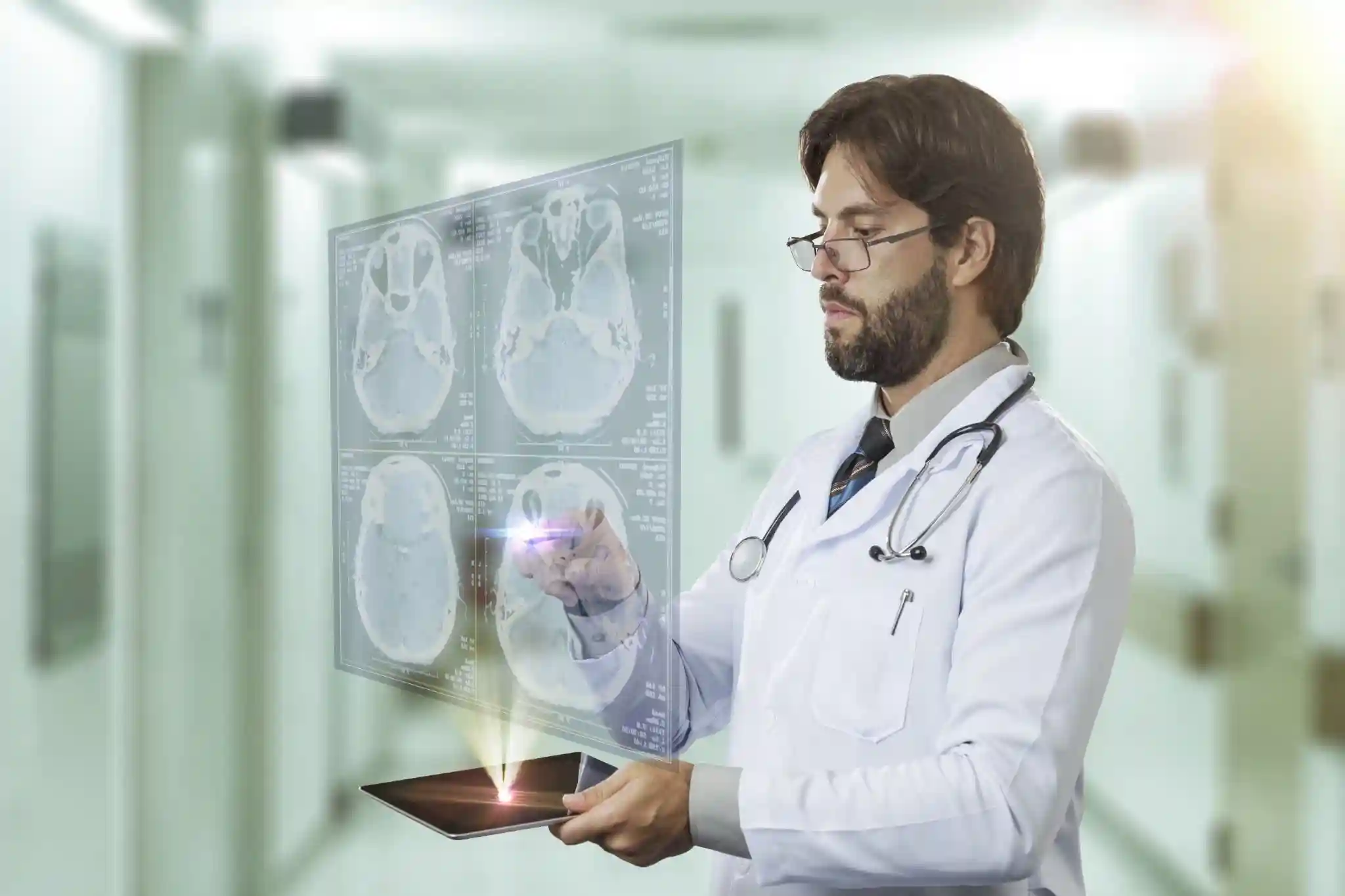
Hospitals need to make decisions quickly, especially in serious cases. Delays can affect patient outcomes, so speed and accuracy are both important. AI healthcare solutions help doctors by analyzing large amounts of patient data in seconds. This includes medical history, test results, and current symptoms. Instead of replacing doctors, AI supports them by giving useful insights that improve decision-making. In medical imaging, AI can quickly scan X-rays, MRIs, and CT scans to highlight possible issues that may need attention. This helps doctors focus on the most important cases first. AI also plays a role in identifying high-risk patients early, which allows treatment to begin before conditions become serious. This combination of speed and early detection is a major reason hospitals are adopting AI faster.
Saving money and reducing hospital costs
Cost management is a constant challenge for hospitals. They need to provide high-quality care while also controlling expenses. AI healthcare solutions help reduce costs by making hospital operations more efficient. Many tasks that were done manually in the past can now be automated, such as billing, coding, and record-keeping. This reduces human errors that often lead to financial losses. AI also helps hospitals use their resources more effectively. Beds, equipment, and staff can be managed in a better way based on real-time data. This prevents waste and ensures that resources are available where they are needed most. Over time, these improvements lead to significant cost savings without affecting patient care quality.
Easy connection with hospital systems
Another reason for the fast adoption of AI healthcare solutions is how easily they now connect with existing hospital systems. In the past, new technology required major system changes, which slowed down adoption. Today, AI tools are designed to work with electronic health records and other hospital software without large changes. This makes implementation faster and less complicated. Hospitals can now add AI features without rebuilding their entire system. Cloud-based technology also plays a big role here. It allows hospitals to store and access data securely while AI processes information in real time. This smooth integration reduces technical barriers and encourages faster adoption across different departments.
Clear rules from health authorities
Healthcare authorities have started to create clearer guidelines for AI use in hospitals. This has increased confidence among medical institutions. Earlier, many hospitals were unsure about using AI because of safety and legal concerns. Now, AI healthcare solutions are being tested more thoroughly before approval, which ensures better safety and accuracy. Regulatory systems are also becoming faster, which means hospitals do not have to wait long to adopt new tools. This balance of safety checks and quicker approval has made it easier for hospitals to trust AI systems and integrate them into daily operations. As a result, adoption is happening at a much faster rate than before.
Not enough staff in hospitals
Staff shortage is a serious issue in many healthcare systems. There are not enough doctors, nurses, and support staff to handle the growing number of patients. This creates pressure on existing workers and affects service quality. AI healthcare solutions help reduce this burden by handling repetitive and time-consuming tasks. Doctors get more time to focus on patients instead of administrative work. Nurses also benefit because AI helps them track patient conditions, manage schedules, and receive alerts when needed. This support system does not replace human staff but helps them manage their workload more effectively. This is one of the strongest reasons hospitals are adopting AI quickly.
More hospital data is now available
Hospitals now generate large amounts of digital data every day. This includes patient records, lab results, treatment history, and more. AI healthcare solutions use this data to find patterns and generate useful insights. With electronic health records becoming common, it is easier for AI systems to access and process information. This helps doctors make better decisions based on a complete patient history. AI can also predict future patient needs by analyzing trends in hospital data. For example, it can help hospitals prepare for busy periods or identify common health risks in advance. This improves planning and makes hospital operations more efficient.
Hospitals are competing with each other
Healthcare is becoming more competitive as patients now expect faster service and better treatment quality. Hospitals are using AI healthcare solutions to improve their performance and stand out in the market. Faster diagnosis, shorter waiting times, and better patient experience all contribute to stronger trust. Patients are more likely to choose hospitals that feel modern and efficient. AI also helps improve hospital’s reputation by showing that the institution is using advanced systems for better care. This competition between hospitals is another strong reason why AI adoption is increasing so quickly.
Conclusion
Hospitals are not adopting AI healthcare solutions as an experiment anymore. They are using it because they need real solutions for real problems. From reducing workload and saving costs to improving patient care and decision making, AI is helping hospitals operate more efficiently. It supports doctors, reduces pressure on staff, and improves overall system performance. As healthcare demands continue to grow, AI is becoming a basic part of hospital operations rather than an optional tool. This is why adoption is happening faster than ever before.