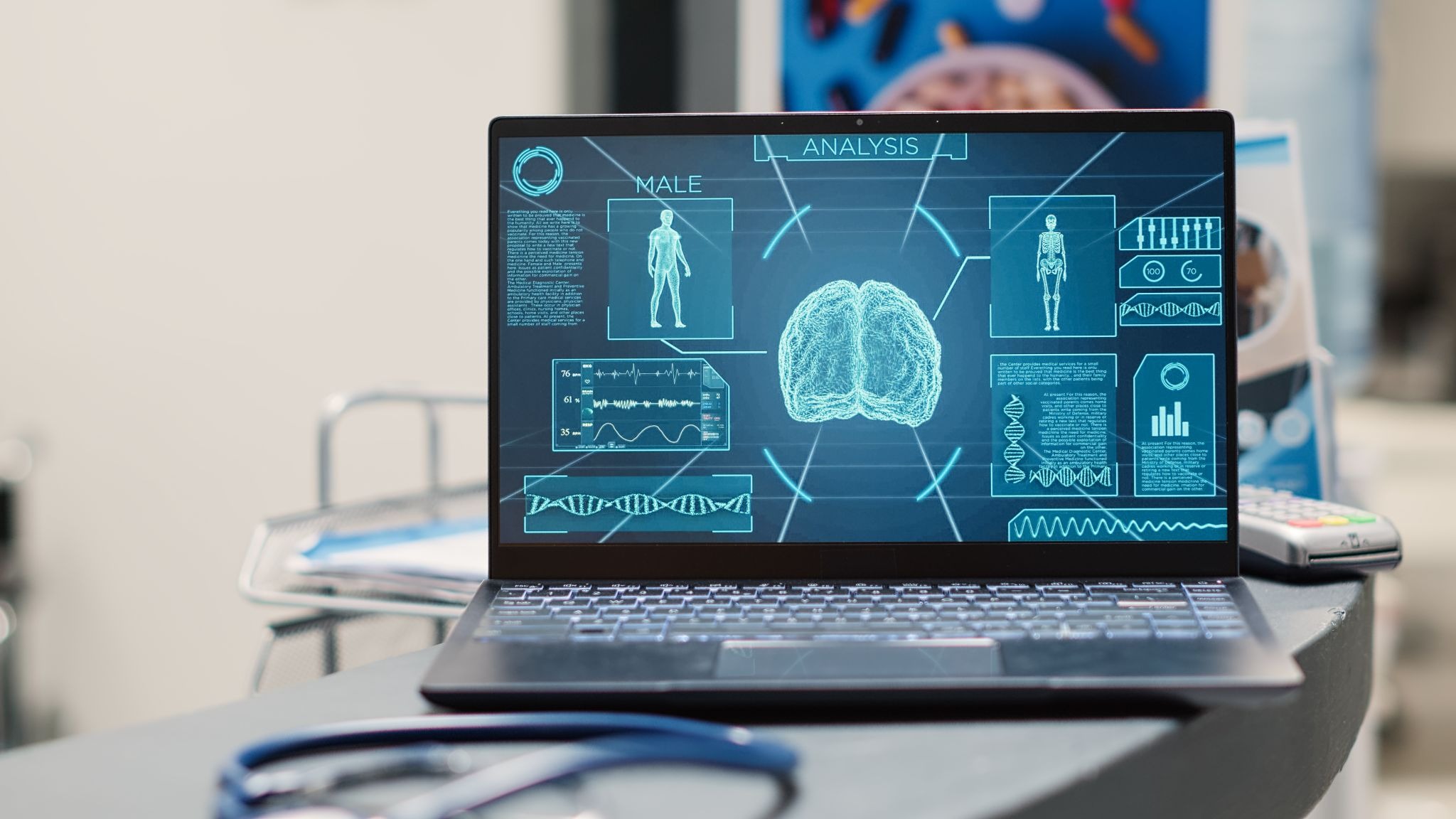
Artificial intelligence is no longer a futuristic concept in medicine. Hospitals, clinics, and research centers are adopting AI to improve patient outcomes and streamline operations. AI can analyze vast amounts of data quickly, identify patterns that humans might miss, and help clinicians make informed decisions. For patients, this means faster diagnostics, more personalized treatments, and fewer medical errors. Understanding AI healthcare transformation is essential for medical professionals, administrators, and patients who want to navigate this evolving landscape effectively. This guide explains the technology, its applications, and strategic implications.
Understanding AI in Healthcare
AI refers to computer systems that perform tasks normally requiring human intelligence. In medicine, AI encompasses machine learning, deep learning, and predictive analytics. Machine learning algorithms identify trends in patient data, while deep learning models excel in image recognition for radiology and pathology. Predictive analytics uses historical data to forecast outcomes, such as disease progression or readmission risk. Unlike traditional software, AI can learn from new data, continuously improving accuracy. Applications include diagnostic tools, treatment planning, patient monitoring, and administrative optimization, demonstrating AI’s broad potential in healthcare.
AI vs. Traditional Tools
AI surpasses traditional tools in several ways. It reduces human error by cross-referencing thousands of data points in seconds. Data-driven decision-making enables personalized care that considers a patient’s unique profile. AI systems continuously learn from new inputs, making them adaptable to emerging medical knowledge. Traditional methods rely heavily on static protocols and clinician experience, which can be limited by cognitive load and human bias. Integrating AI enhances accuracy, speed, and patient safety while complementing human expertise.
Key Areas Where AI is Transforming Healthcare
AI impacts every level of healthcare delivery. In diagnostics, AI improves the detection of diseases like cancer or cardiovascular conditions through imaging and lab data analysis. Personalized medicine benefits from AI’s ability to tailor treatments based on genetic profiles, medical history, and lifestyle. Predictive analytics identifies high-risk patients, enabling early intervention and reducing hospital readmissions. Operationally, AI automates repetitive tasks, improves resource allocation, and frees clinical staff to focus on patient care.
AI in Diagnostics and Imaging
Radiology and pathology are prime examples of AI integration. AI algorithms can detect tumors, fractures, or anomalies with high accuracy. Reports that once took hours can be generated in minutes. By reducing human error, AI ensures more consistent interpretations across cases. Hospitals implementing AI diagnostics have reported faster treatment initiation and improved patient satisfaction.
Personalized Medicine
AI analyzes genomic and clinical data to design treatment plans that suit individual patients. It can predict drug efficacy, identify potential side effects, and optimize medication schedules. This approach reduces trial-and-error treatments, improves recovery outcomes, and enhances quality of life. Personalized medicine powered by AI is especially transformative for chronic and complex conditions.
Predictive Analytics in Patient Care
AI systems analyze trends to anticipate health risks, allowing proactive interventions. Predictive models flag patients at high risk for complications, such as post-surgical infections or chronic disease flare-ups. Hospitals use AI to monitor patient vitals continuously, alerting clinicians before critical events occur. This proactive approach reduces readmissions, lowers healthcare costs, and enhances patient safety.
Operational and Administrative Transformations
Beyond clinical care, AI revolutionizes hospital operations. Scheduling software optimizes staff allocation, while inventory management ensures critical supplies are available. By automating administrative tasks like patient registration and billing, AI reduces errors and frees staff time for direct care. Hospitals leveraging AI report higher efficiency, lower operational costs, and improved patient experiences.
Virtual Assistants and Chatbots
AI chatbots handle routine inquiries, appointment scheduling, and triage. They provide immediate support, direct patients to appropriate care, and reduce phone traffic. When integrated with electronic health records, chatbots enhance continuity of care and patient engagement.
AI in Drug Discovery
AI accelerates pharmaceutical research by simulating drug interactions and predicting efficacy. Algorithms can analyze vast datasets to identify promising compounds, reducing research time and cost. Several drugs have reached clinical trials faster due to AI insights, demonstrating the technology’s practical impact on public health.
Ethical, Privacy, and Regulatory Considerations
Implementing AI in healthcare requires careful attention to ethics and compliance. Patient data must be secure, and AI algorithms must be transparent and unbiased. Regulatory approval ensures that AI tools are safe and effective before clinical use. Hospitals must balance innovation with responsibility to maintain trust and meet legal obligations.
Data Privacy and Security
AI systems process sensitive health data, requiring strong encryption and secure cloud storage. Unauthorized access or misuse can harm patients and damage institutional credibility. Healthcare providers must obtain informed consent and maintain transparency about AI usage.
Addressing Algorithm Bias
AI systems can inherit biases from training data, leading to inequitable outcomes. Developers and clinicians must validate models across diverse populations to ensure fairness. Continuous monitoring and adjustment of algorithms mitigate unintended disparities.
The Future of AI Healthcare Transformation
AI will continue to shape the future of medicine. Wearable devices, remote monitoring, and telehealth platforms collect real-time data, feeding AI systems for personalized insights. The Internet of Medical Things (IoMT) enables seamless integration of devices and analytics. AI-driven cost reduction and expanded access may help underserved populations gain better healthcare outcomes.
AI in Telemedicine
Virtual consultations powered by AI allow clinicians to diagnose, triage, and monitor patients remotely. Real-time analytics from wearable devices enable early interventions, improving patient outcomes and reducing the need for hospital visits. Telemedicine expands access to healthcare for rural and underserved areas.
Augmented Clinical Decision Support
AI assists physicians in complex cases by analyzing large datasets and suggesting evidence-based options. This partnership between AI and clinicians enhances decision-making, reduces errors, and accelerates patient care.
Challenges and Limitations of AI in Healthcare
Despite its potential, AI faces challenges. High implementation costs, staff resistance, and workflow adaptation hurdles can slow adoption. Data quality and interoperability between legacy systems and new AI tools remain critical barriers. Healthcare organizations must address these issues to realize AI’s full potential.
Overcoming Adoption Resistance
Staff training and pilot programs are essential to foster AI acceptance. Demonstrating measurable benefits like efficiency gains and improved outcomes helps build trust. Collaborative workflows that integrate AI insights with clinician expertise encourage adoption.
Ensuring Data Quality
AI relies on accurate, standardized data. Hospitals must maintain interoperable electronic health records and continuously monitor AI models to ensure reliability. Poor data quality can lead to flawed decisions, negating AI’s benefits.
Case Studies of Successful AI Healthcare Implementation
Hospitals using AI in diagnostics have reduced misdiagnosis rates and improved treatment speed. Administrative AI has cut down patient wait times and billing errors. Pharmaceutical companies leveraging AI have accelerated drug discovery, leading to faster access to life-saving medications. These examples demonstrate the tangible benefits of strategic AI adoption.
Conclusion
AI healthcare transformation is reshaping diagnostics, personalized treatment, and hospital operations. Success depends on ethical, secure, and collaborative integration. As AI technology matures, healthcare providers who adopt it thoughtfully will enhance patient care, reduce costs, and maintain a competitive advantage. AI is not a replacement for clinicians but a powerful tool to amplify human expertise. Understanding and implementing AI responsibly is essential for the future of medicine.